
Okay, so check this out—Solana moves fast. Wow! The network pushes thousands of transactions per second, and if you’re new, it feels like watching a high-speed train through a fogged window. My first impression was: chaotic. Really? Yes. But once you learn to read the rails, you start to see patterns, abuse vectors, and opportunities for discovery.
Here’s the thing. Blockchain explorers are your binoculars. They let you inspect transactions, trace token flows, and follow NFT origins. For Solana specifically, explorers surface details that wallets hide (or obscure). On one hand, explorers show you clarity. On the other, they reveal complexity you might not want to dig into—like failed transactions that still cost fees, or strange program interactions that look like magic until you decode them. Initially I thought all explorers are mostly the same, but then I dove deeper and realized the differences are meaningful.
Explorers answer the basic questions fast: who sent what, when, and through which program. They also let you peek at memos and logs, and that’s where the real signals live. My instinct said: look at the logs first. Actually, wait—let me rephrase that: for debugging or forensics, logs and inner instructions are gold. They tell the story behind a token transfer, especially for decentralized apps that bundle many actions into one transaction (spl-token transfers, program instructions, CPI calls).
So how do you read a Solana transaction? Start at the top. Transaction signature. Timestamp. Fee payer. Then move into message and instructions. Short view: signature → status → instructions. Longer view: inspect pre/post token balances, inner instructions, and program logs to understand side-effects and emitted events. And yes, NFTs are just tokens with metadata, but the way collections and creators are linked makes tracing provenance surprisingly fun (and messy).
Why explorers matter for NFTs and transactions
NFTs live at the intersection of metadata, mint authority, and marketplace activity. Somethin’ I learned the hard way: a glittery front-end can obscure who actually minted or authorized a collection. Hmm… that part bugs me. The marketplace listing might say “official,” but the chain shows a different story. If you track creator addresses across mints, you can often spot copycats or spam collections. On the flip side, provenance traces legitimate creator royalties and helps collectors validate rarity.
Explorers also help with sanity checks. Did that transfer include the expected token? Did a wrapped SOL un-wrap unexpectedly? Were any programs invoked that could change token supply? Really useful stuff.
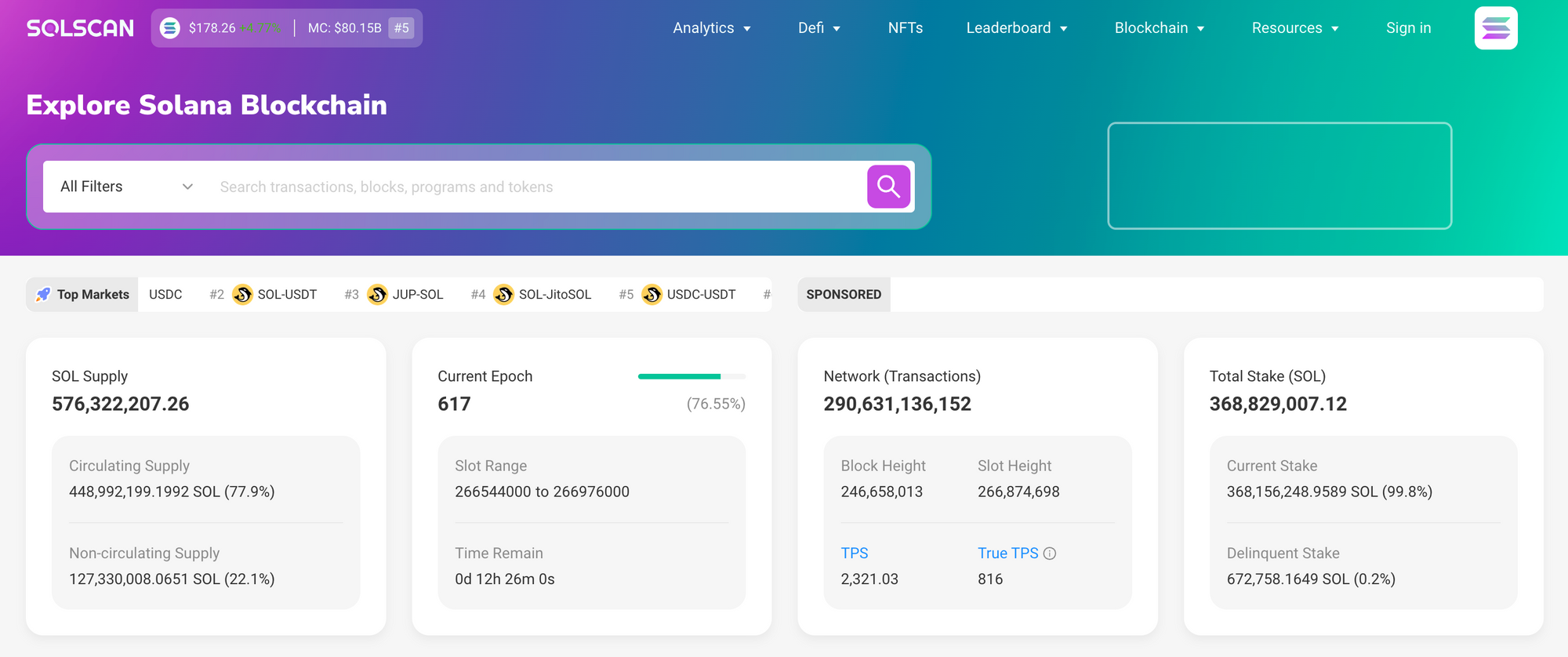
If you want a practical tool for these tasks, I tend to use a feature-rich explorer. One solid, user-friendly option is solscan, which surfaces instruction details, token transfers, and metadata in ways that make follow-ups straightforward. I’m biased, but when I need to confirm a multi-instruction transaction or find the original mint of an NFT, that kind of detail saves time.
Quick tip: copy the transaction signature and paste it into an explorer search bar. Then look for these things: status (success/failure), fee payer, block height, and inner instructions. Check pre/post balances to confirm token movements. If there’s a memo, read it. Sometimes, devs leave notes that explain why a transaction did something unexpected (oh, and by the way—you’ll thank me later).
Common patterns and what to watch for
Failed transactions still cost fees. That’s not negotiable. Wow! So always check status before assuming a transfer went through. Another pattern: automated bots interacting with marketplaces cause bursts of activity that look like organic demand. Hmm… my gut says watch for repeated patterns of tiny bids or snipes—they often signal bots, not real interest.
Also, watch program authorities and upgradeable programs. On Solana, many programs are marked upgradeable, which means their behavior can change if the authority rotates. This matters for security, and it matters for collectors who assume immutable contract behavior. On one hand, upgradeability enables fixes; on the other hand, it introduces trust assumptions you must accept.
Transactions with many inner instructions often correspond to complex app flows. For example, a single marketplace “purchase” might call token transfer, metadata update, royalty distribution, and a program log for analytics. The logs explain the sequence. If something seems off—like missing royalties—trace those inner instructions to see where it was skipped.
Using explorers for troubleshooting
Imagine you sent a token and it’s not in your wallet. First, check the transaction signature. Next, check the recipient address in the explorer. If the token moved but isn’t showing in the UI, it’s often a wallet index issue. Hmm, not fun. But usually the chain shows the truth: balance changed, owner changed, metadata updated.
If you see a “program failed” status, open the logs. They’ll often show an error code or reason. Sometimes it’s a simple sign mismatch; other times it’s rent-exemption or insufficient funds. Pro tip: when interacting with custom programs, test on devnet or with tiny amounts first. That saves painful mistakes.
Finally, use filters. Good explorers let you filter by token mint, program, or wallet. This makes it easy to follow a creator’s mints or a bot’s activity across markets. And keep an eye on token account lifecycle—created, initialized, closed. Token accounts are cheap but not free, and abandoned accounts tell stories too.
FAQ
How do I find the original mint transaction of an NFT?
Search the NFT’s mint address in the explorer and open its token history. Look for a “Create Account” or “MintTo” instruction tied to the earliest block height. The creator address and initial metadata instruction often appear nearby—those are your provenance clues.
Can explorers show me royalties distribution?
Yes, if the transaction includes royalty transfers. Check inner instructions and token transfers for the marketplace’s program and the creator payout addresses. Not all marketplaces enforce on-chain royalties, so you might see off-chain or voluntary distributions instead.
What if a transaction is pending or stuck?
On Solana, transactions rarely “hang” like on some other chains, but you can see confirmations and block heights. Check network status; sometimes re-sending with a higher priority fee helps, though it’s less common than on fee-market chains. If a signature never appears, ensure your client actually broadcasted it.
